
| Learn more about who we are |


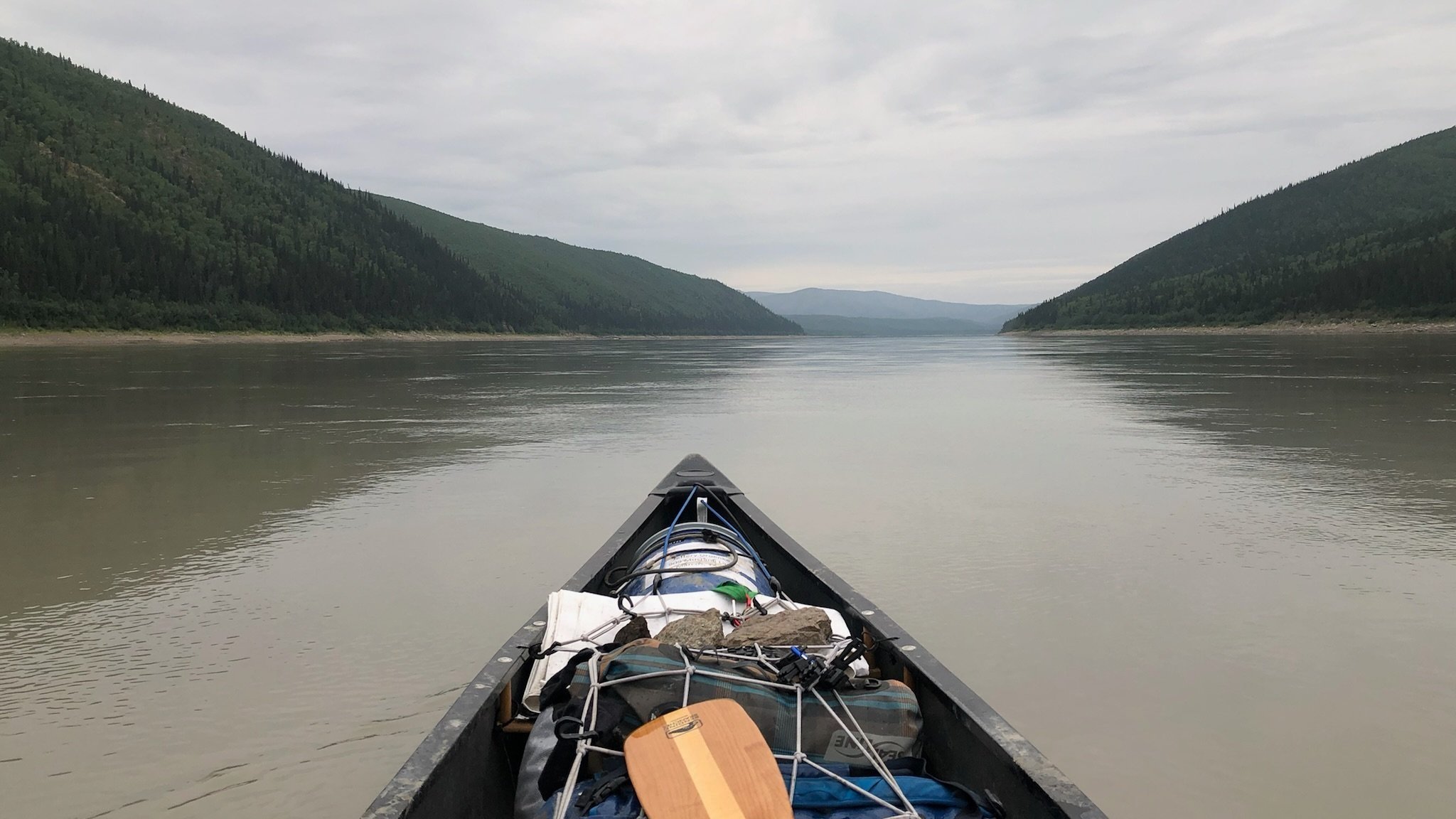


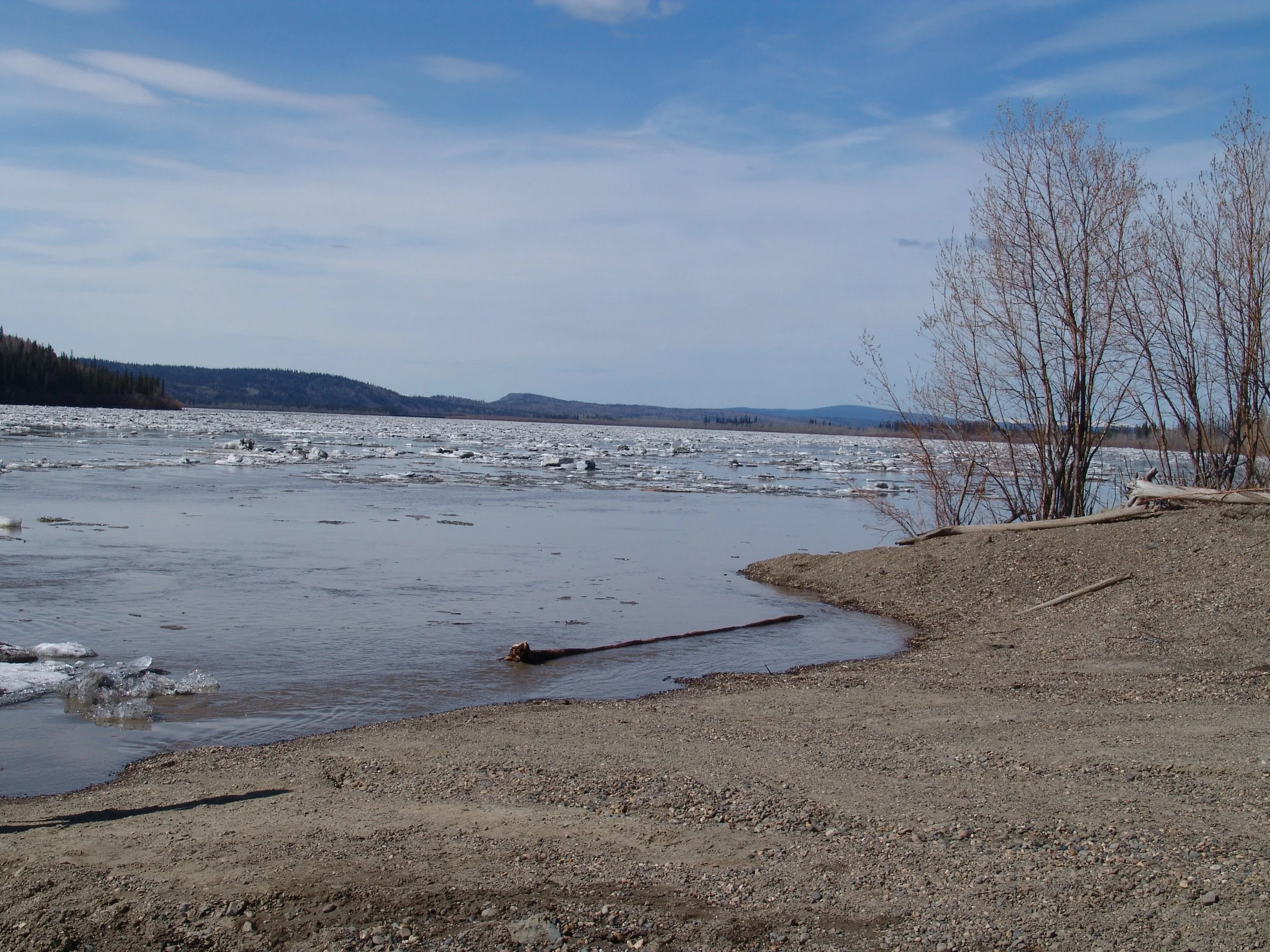
This part of Subarctic Alaska has been occupied for many thousands of years. First by the earliest Native Alaskans, who traveled the Yukon River corridor in early boats and along shore by foot, seeking the food and many other resources the river and its shores offer. Their descendants continue to live along the river, although they have settled in various small villages up and down the Yukon drainage, thriving on the salmon that bless its waters.
In later years, during the time that Alaska was part of Russia, roughly from the mid 1700s to 1867, Russian explorers might have visited the area. But they tended to congregate along Alaska's coasts, and only rarely made forays into the interior areas.
Then, after the United States bought Alaska from Russia in 1867, and gold was discovered in various parts of Yukon Territory and Alaska, prospectors and others began to explore these lands in large numbers for the next big gold strike. Over time, people learned of the rich resources Alaska that had to offer, and began developing those resources.
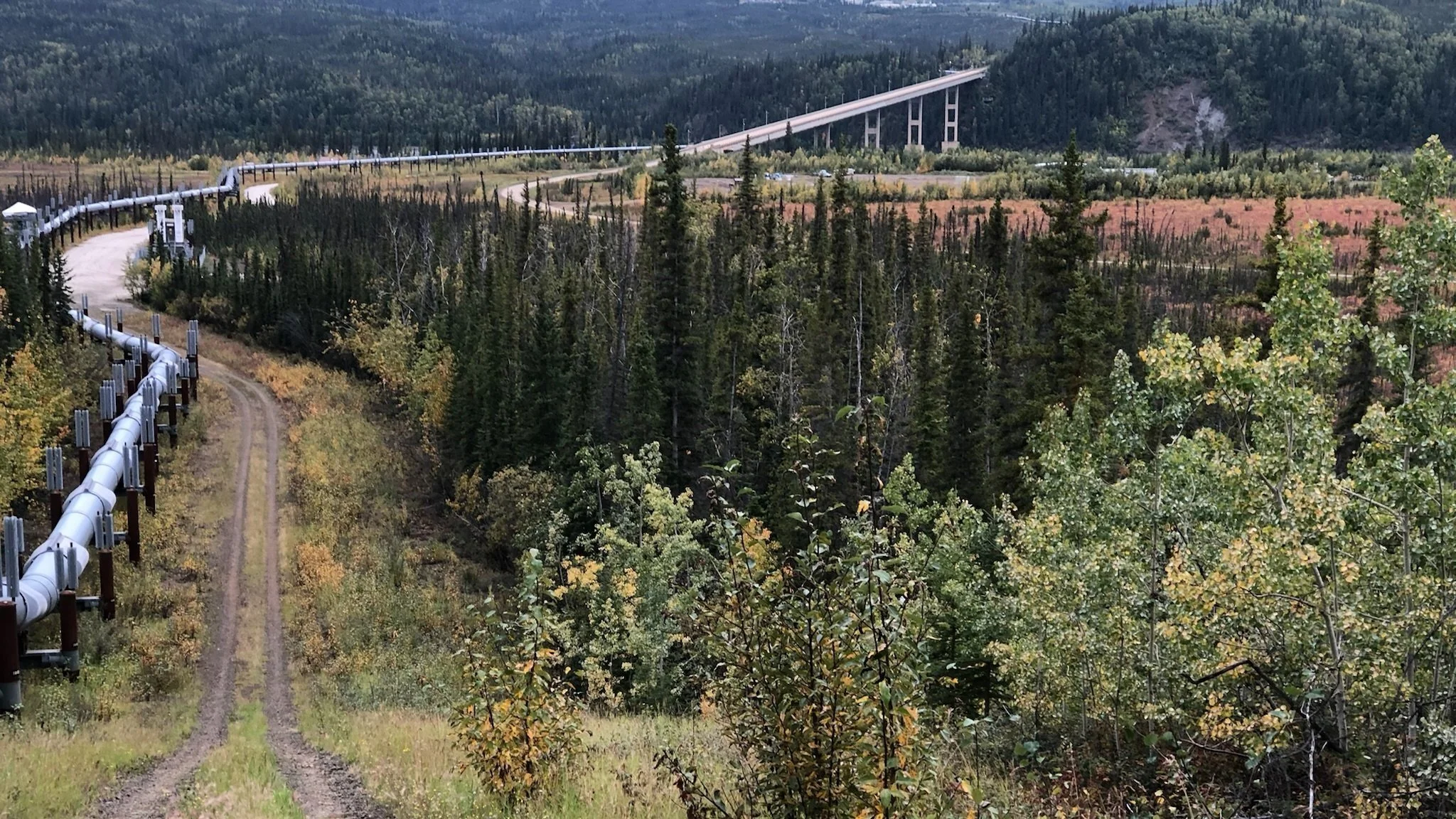
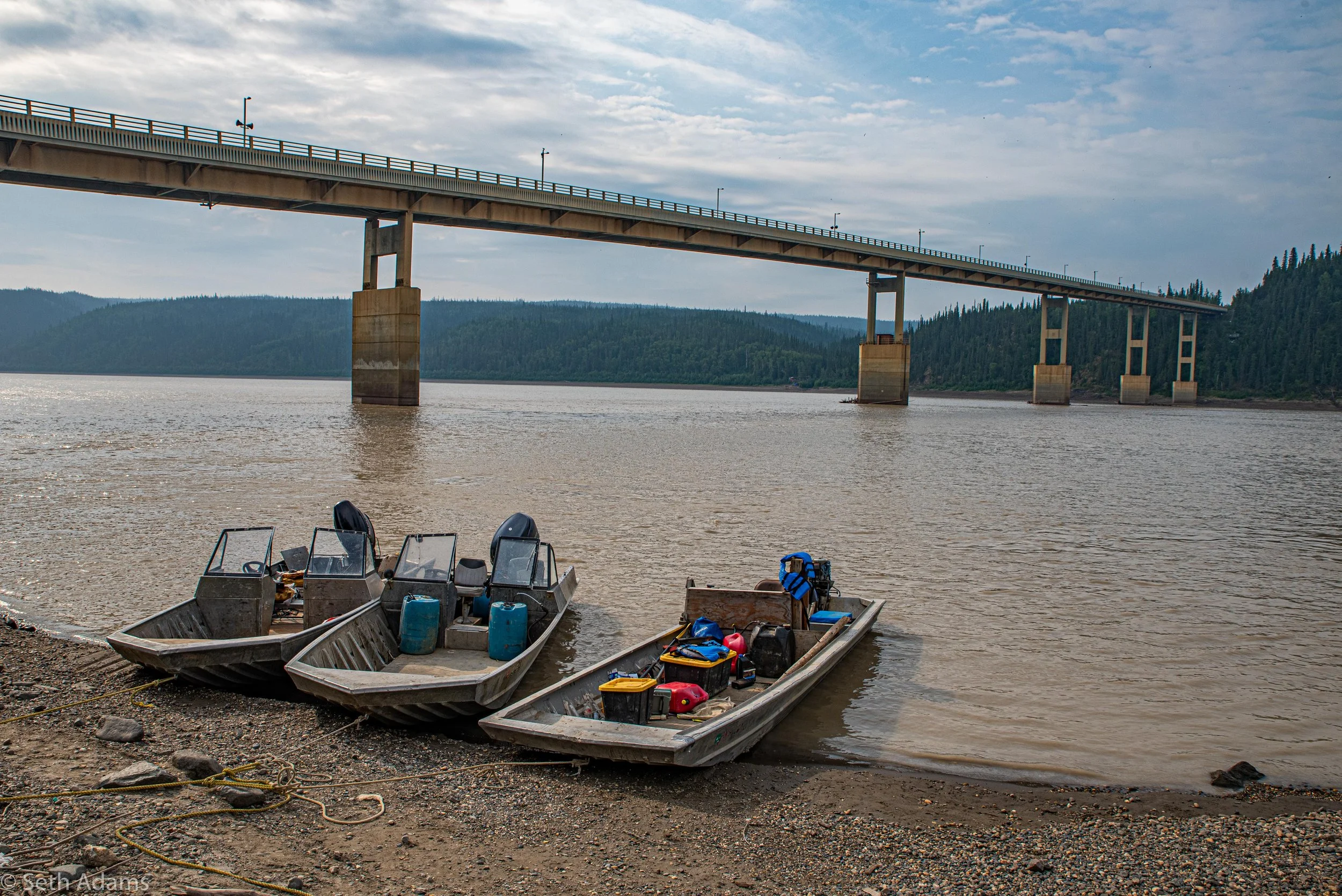
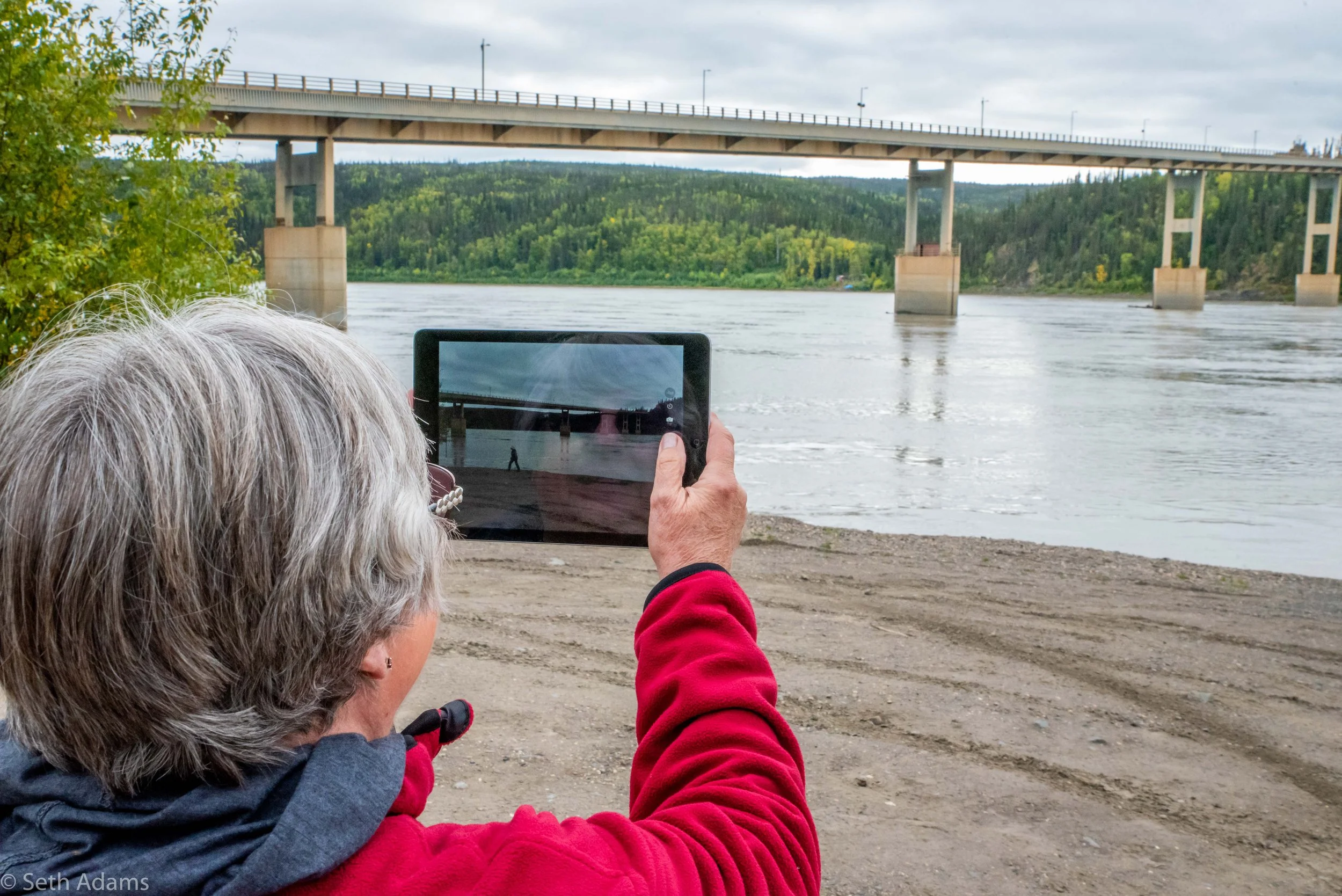
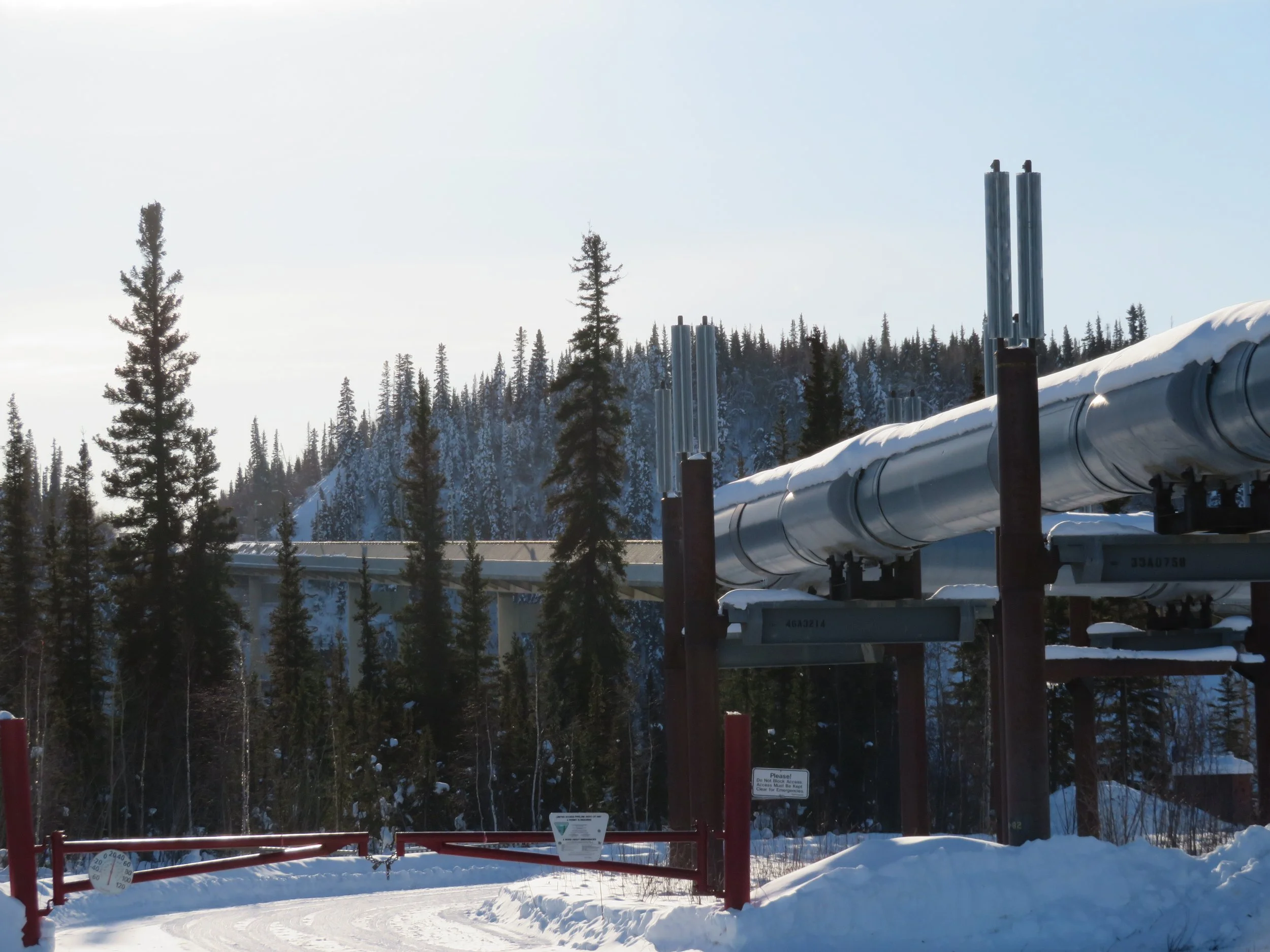
Most recently, a narrow swath of Alaska, running from north in Prudhoe Bay south to Valdez, was industrialized by the Trans-Alaska Pipeline System. The pipeline passes across the Yukon River right here at YRC, on our front doorstep. In fact, the large gravel pad you'll visit here was a materials storage yard during pipeline construction to support the building of the half-mile bridge across the Yukon--the only bridge that spans the river in its entire length in Alaska.
During your visit, try to imagine what life was like here for these different groups of people. And enjoy the simple comforts that we're able to offer you, unique in all the human history of the area!
-
Working at Yukon River Camp is a true adventure! Although Yukon River Camp is “off grid”, co-workers enjoy all the modern amenities of living in town, including running water, hot showers, comfortable rooms with DISH Network, laundry facilities and excellent food.
Most weeks co-workers receive 2 full days off to enjoy the abundant outdoor recreation activities in the area. During the winter months they cross-country ski, go snow shoeing, hike, ice fish, practice their photography and view the aurora borealis. During the summer months there is canoeing, hiking, berry picking, mushroom hunting, wildlife watching, and photography. There are several raised garden beds that co-workers can plant vegetables and flowers.
Many co-workers spend their free time with their hobbies. Popular past-times include: playing an instrument, writing, knitting and crocheting, painting, wood working, and reading. One of the unique perks is the daily interaction with visitors from all over the world. Every day is a new experience.
The typical length of time a co-worker stays at Yukon River Camp is 4 months, although we have several that stay longer.
-
During the summer months, fish camps are set up along the Yukon River. They are temporary camps set up next to fish wheels and nets. Native Alaskans catch and process fish at these camps. This includes hanging the fish in smoke shacks in order to preserve the fish for winter use. The camps are very primitive compared to city standards, with no running water or electricity.
-
Yukon River Camp serves as an important service provider for residents of local villages and individual camps along the Yukon River. Two major villages, Stephens Village and Rampart, are situated 40 and 35 miles from the Yukon River Bridge. These villages can not be accessed by road. The villages do not have any municipal water or electric supplies. Electricity is produced by generators. Travel to and from the villages during the summer months is by boat and during the winter snow machine and dog sled. There is also limited air travel to and from the villages. There are several weeks during the winter months that travel on the river is impossible due to floating ice. Residents of these villages live a subsistence lifestyle which includes hunting and fishing. They use traditional methods of fishing for salmon, Burbot, Northern Pike, and other Alaskan native fish. Yukon River Camp gift shop sells native hand made crafts.